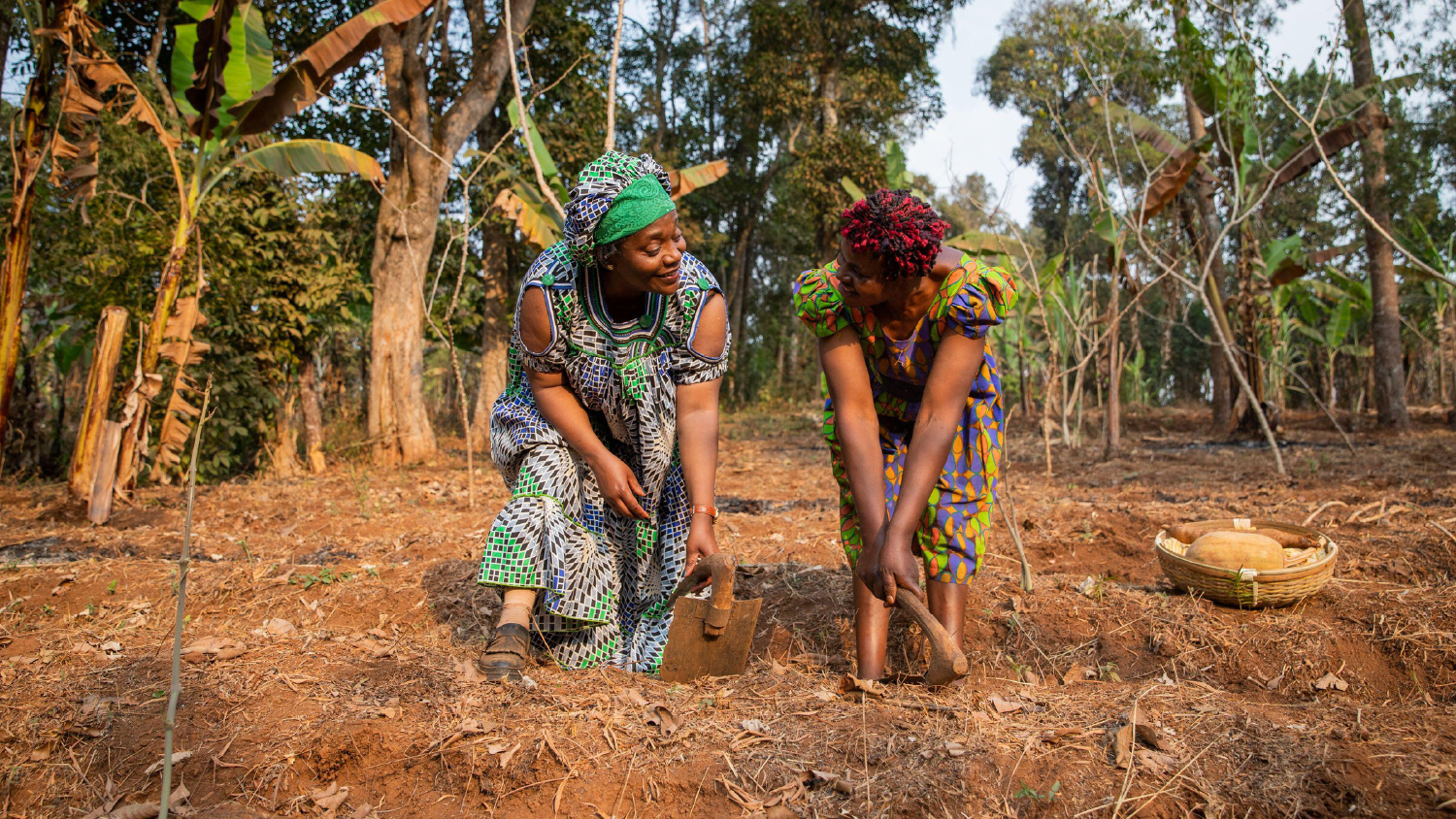
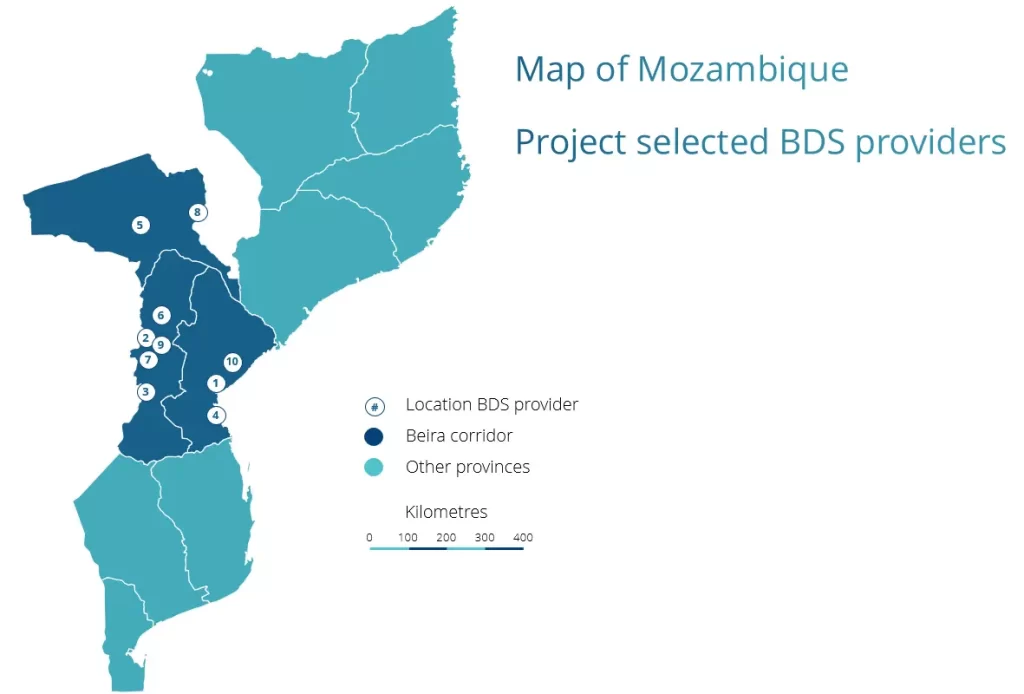
Across the Beira corridor, agribusiness Micro, Small and Medium Enterprises (MSMEs) often possess genuine commercial potential but face three key practical barriers: weak business fundamentals, low readiness to engage with financiers, and limited access to affordable, high-quality advisory support outside major cities. More than a growth issue, it is a sustainability challenge. When businesses cannot access appropriate finance and technical support, they tend to make short-term decisions that increase waste, degrade soil and input efficiency, and reduce resilience.
That is why Larive collaborates with our local partner, Bindzu Agrobusiness & Consultoria, on a multi-year project sponsored by the Alliance for a Green Revolution in Africa (AGRA) to enhance Business Development Services (BDS) for agribusinesses in the Beira corridor, with a particular focus on women- and youth-led enterprises.
Why is this needed
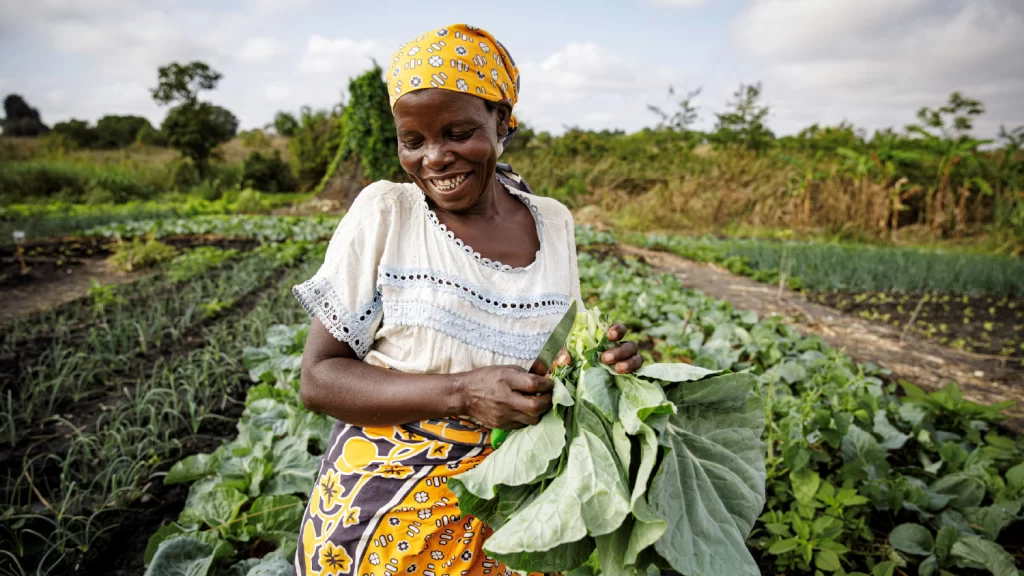
As mentioned, many agribusiness MSMEs have viable demand but cannot scale because they lack essential skills such as strong business management, financial preparedness, and access to affordable, high-quality advisory support. That gap becomes a sustainability issue because enterprises under pressure tend to make short-term decisions that thus increase waste, reduce efficiency, and weaken resilience.
The impact of the project
The project runs from June 2025 to June 2028 and aims to support MSMEs within the maize and soya value chains. Our work concentrates on three outcomes:
- Enhanced bankability via practical business and financial readiness support.
- A stronger network of trained, mentored BDS providers operating where MSMEs are active.
- Improve connections among enterprises, finance, and markets by linking to financial institutions and anchor firms.
The commercial sustainability angle
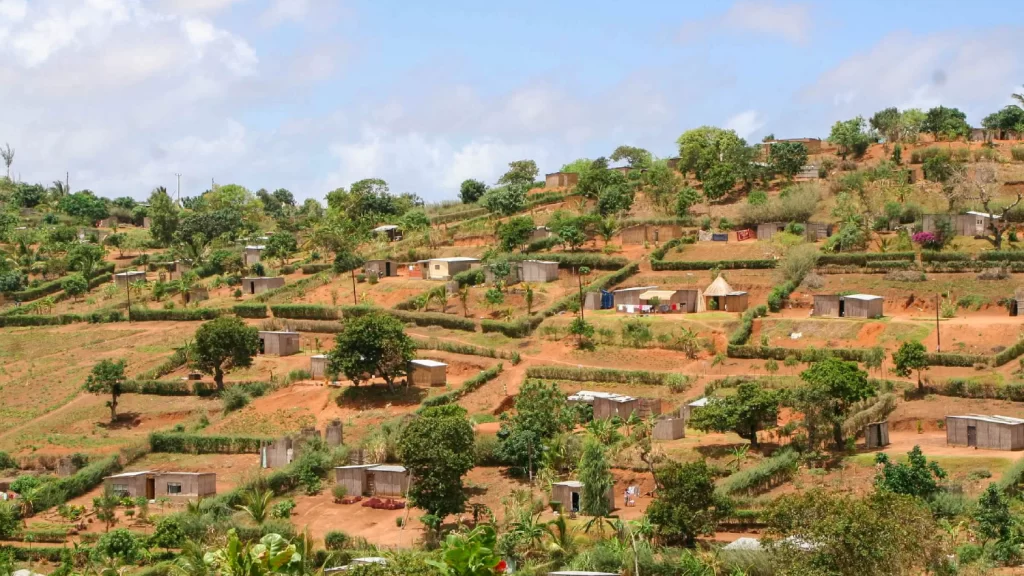
Sustainability becomes genuine when it impacts business performance and cuts risks. The project incorporates this by enhancing record-keeping, risk management, and operational discipline, and by setting expectations for environmental, social, and health and safety practices, such as pollution prevention and waste reduction, where relevant. These are precisely the capabilities that financiers and serious buyers increasingly evaluate.
Educating BDS providers to generate more business
A key aim is to assist BDS providers in building sustainable advisory businesses, rather than merely delivering training. The programme introduces cost sharing from year two and increases contributions in year three, transitioning from subsidised support to a functioning market for paid advisory services. This aims to ensure the services remain after the project ends, with lasting sustainability and a business-driven approach.
For BDS providers, this creates recurring revenue streams through bookkeeping, management reporting, business planning, credit readiness packs, governance improvements, and ongoing coaching, delivering measurable enterprise results.
Why does Larive do this
Sustainable growth in agribusiness requires more than just training MSMEs. It demands a capable local services market that can reliably produce financially viable businesses and reduce operational risks. By combining Bindzu’s local implementation capacity with Larive’s ecosystem-building, business mindset, and finance-readiness strategy, the project sets out to develop a stronger BDS market that will remain functional after the project concludes.
Want to know more? Reach out to our colleague Claudy Luft.
Frequently Asked Questions
What is the goal of the BDS project in Mozambique’s Beira corridor?
The project aims to strengthen the market for Business Development Services (BDS) for agribusiness MSMEs in the Beira corridor, with a focus on improving bankability, building a network of quality local advisors, and creating better connections between enterprises, finance providers, and anchor firms.
Who does the project target?
The project focuses on Micro, Small and Medium Enterprises (MSMEs) active in the maize and soya value chains, with particular emphasis on women- and youth-led businesses.
How long does the project run and who funds it?
The project runs from June 2025 to June 2028 and is sponsored by the Alliance for a Green Revolution in Africa (AGRA), implemented by Larive International in partnership with local firm Bindzu Agrobusiness & Consultoria.
How does the project ensure sustainability after it ends?
From year two, cost-sharing is introduced and scaled up in year three, gradually transitioning BDS providers away from subsidised support toward a functioning market for paid advisory services — ensuring the ecosystem remains viable beyond the project period.
What role does sustainability play in the programme?
Commercial sustainability is embedded throughout: MSMEs are supported in improving record-keeping, risk management, and operational discipline, alongside environmental and social practices that increasingly matter to financiers and buyers.