As Samaki Poa approaches its official conclusion in June 2026, the project marks far more than the end of a successful four-year initiative. It represents an important milestone in the development of a more resilient, inclusive, and commercially driven aquaculture sector across East Africa.
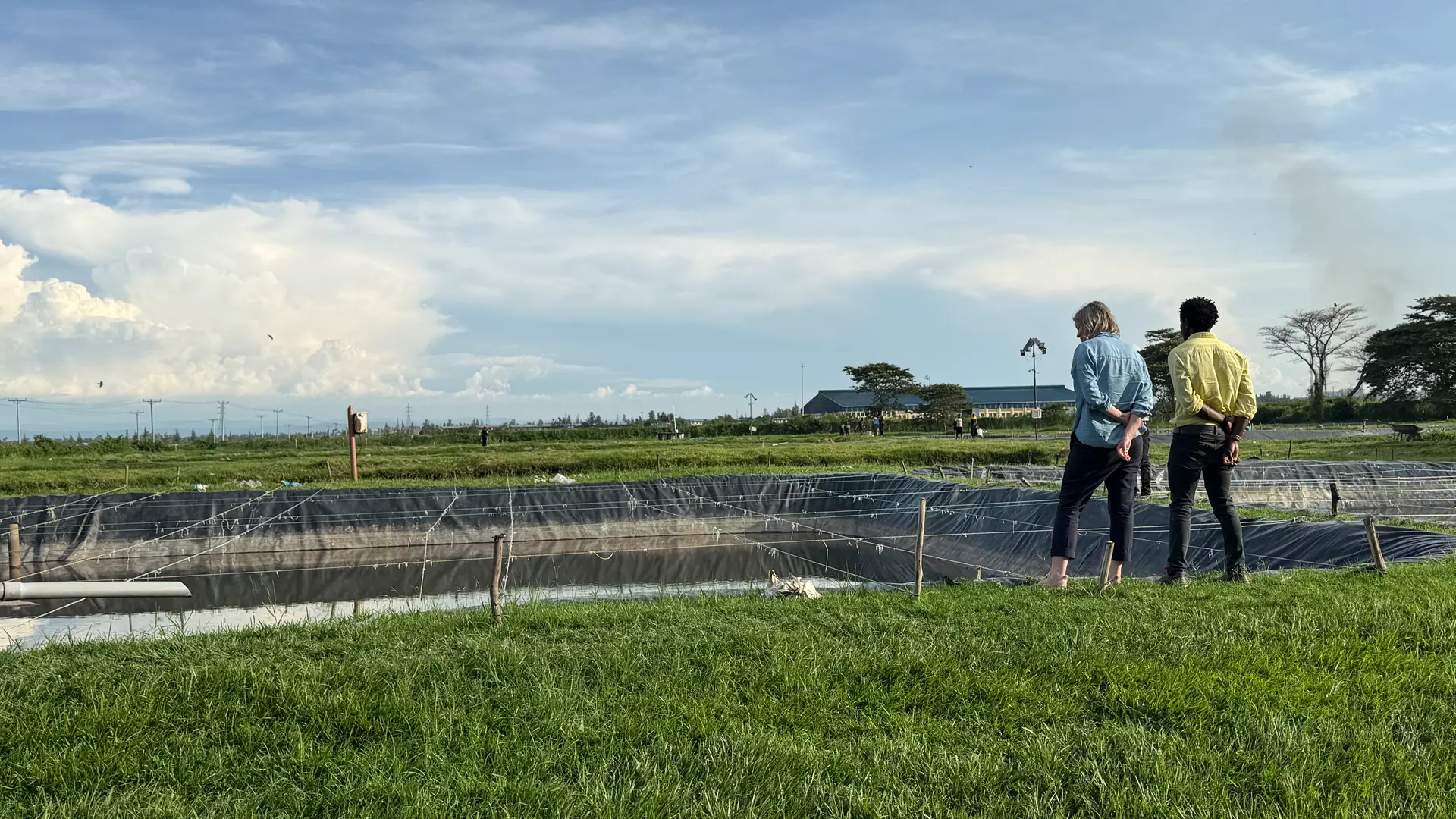
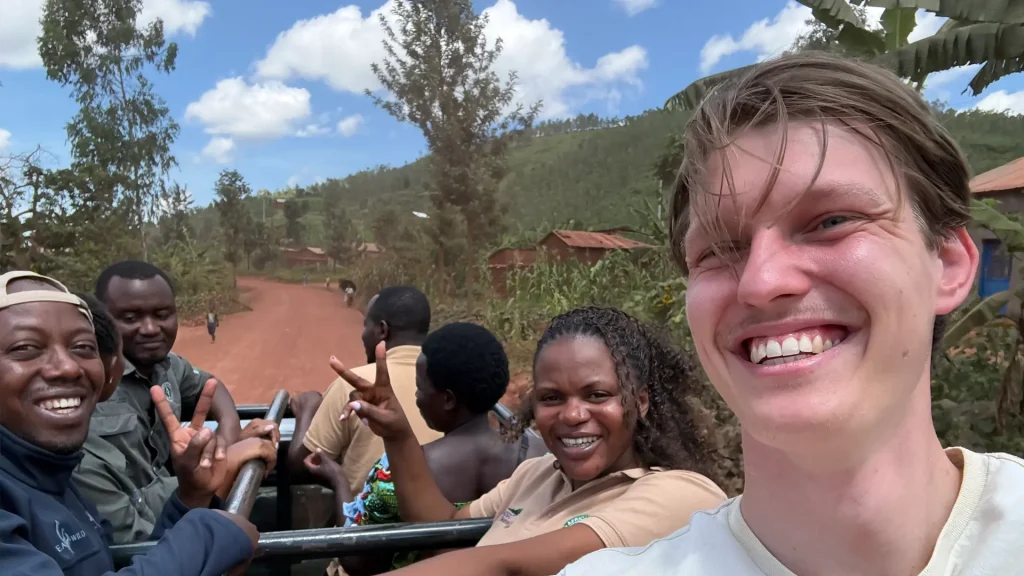
Earlier this month, together with representatives from Norad, our colleague Niels visited Kenya, Rwanda, and Uganda to witness firsthand the results of a project that has shaped the past four years of his professional journey. What began in 2022 as one of his first assignments after joining Larive International has grown into a regional programme that has strengthened aquaculture ecosystems, empowered thousands of farmers, and helped position the sector for long term growth.
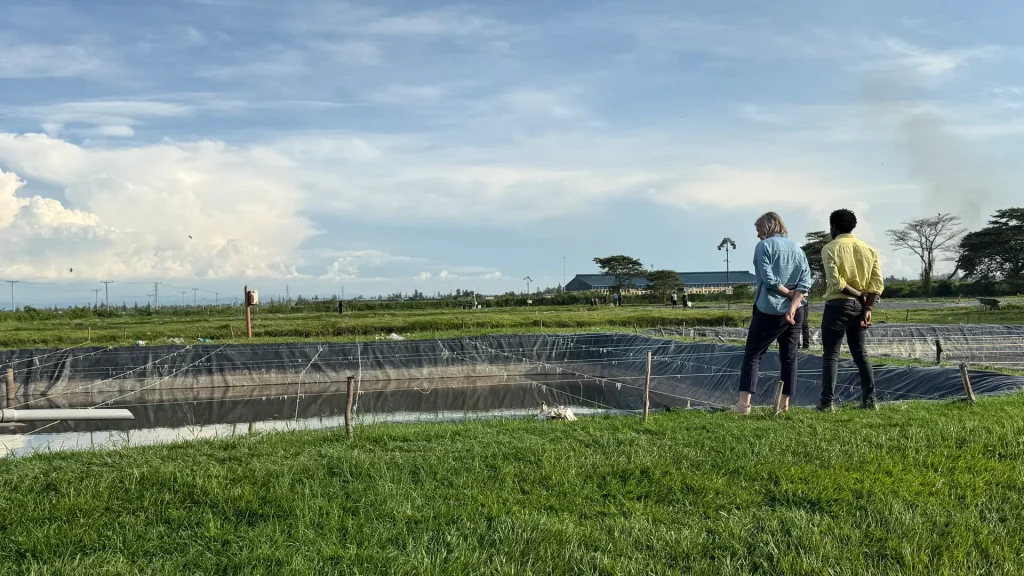
The visit provided an opportunity to reconnect with farmers, training institutions, private sector partners, and entrepreneurs who have contributed to the project’s success. More importantly, it highlighted how the foundations established through Samaki Poa continue to create value well beyond the lifespan of the project itself. Across the region, farmers are adopting more efficient production practices, businesses are expanding their services, young professionals are building careers in aquaculture, and educational institutions are integrating industry focused training into their programmes.
Strengthening an emerging sector
From the outset, Samaki Poa was designed to address structural constraints limiting aquaculture growth in East Africa. These included limited access to practical knowledge, inconsistent availability of quality inputs, and weak connections between producers, service providers, and markets.
Rather than focusing on individual interventions, the project adopted a market systems approach aimed at strengthening the broader aquaculture ecosystem. Through a combination of farmer training, digital learning, private sector engagement, and public private collaboration, Samaki Poa has contributed to creating an enabling environment for sustainable sector development.
The results have been significant.
More than 2,700 farmers across Kenya, Rwanda, and Uganda received practical on farm training focused on farm management, production efficiency, business skills, and sustainable aquaculture practices. Importantly, 43 percent of participants were women and 56 percent were youth, underlining the sector’s growing role as a source of opportunity for the next generation.
The project also supported the creation of more than 800 jobs throughout the value chain, spanning input supply, production, aggregation, processing, and distribution. These opportunities have strengthened rural livelihoods while supporting the professionalisation of the sector.
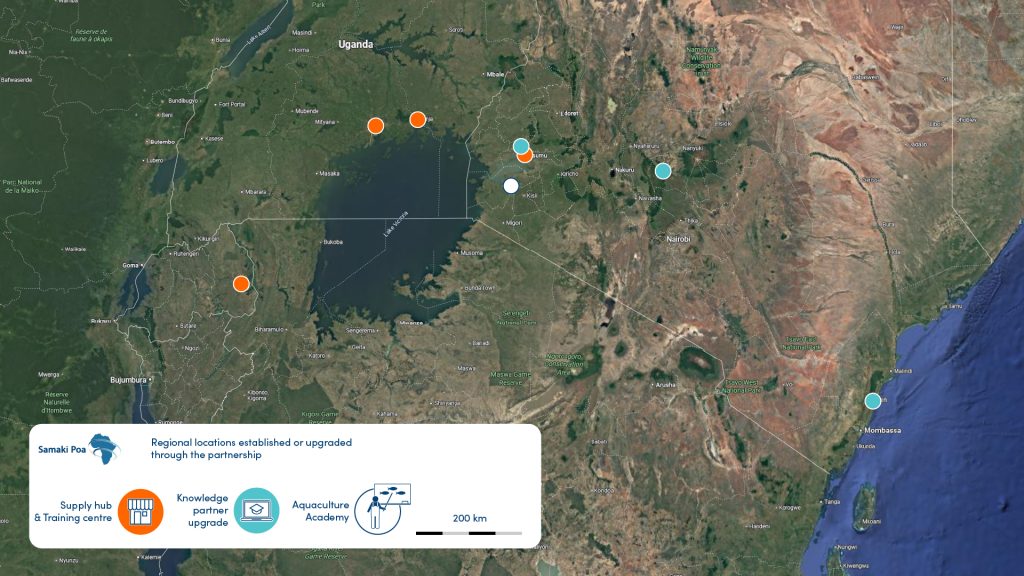
To improve access to essential inputs, Samaki Poa facilitated the establishment of four aquaculture supply hubs that today provide farmers with reliable access to feed, fingerlings, and technical support. Together, these hubs now facilitate the sale of more than 8,000 metric tonnes of feed annually. The project also supported the establishment of a new hatchery, helping increase local fingerling production capacity and improve the availability of quality stock.
Scaling knowledge through digital innovation
One of the project’s most impactful achievements has been the development of HowToDoAquaculture.com, which has evolved into one of Africa’s leading digital aquaculture learning platforms.
Created to bridge the gap between traditional education and the practical needs of the industry, the platform provides free, accessible, and locally relevant training resources for farmers, students, extension officers, and entrepreneurs.
Today, more than 13,000 learners from over 35 African countries have accessed the platform. With more than 170 instructional videos and 17 courses available, it continues to expand access to knowledge at scale. Seven TVET institutions and sector organisations have already integrated the platform into their educational programmes, creating a pathway for long term adoption and continued impact.
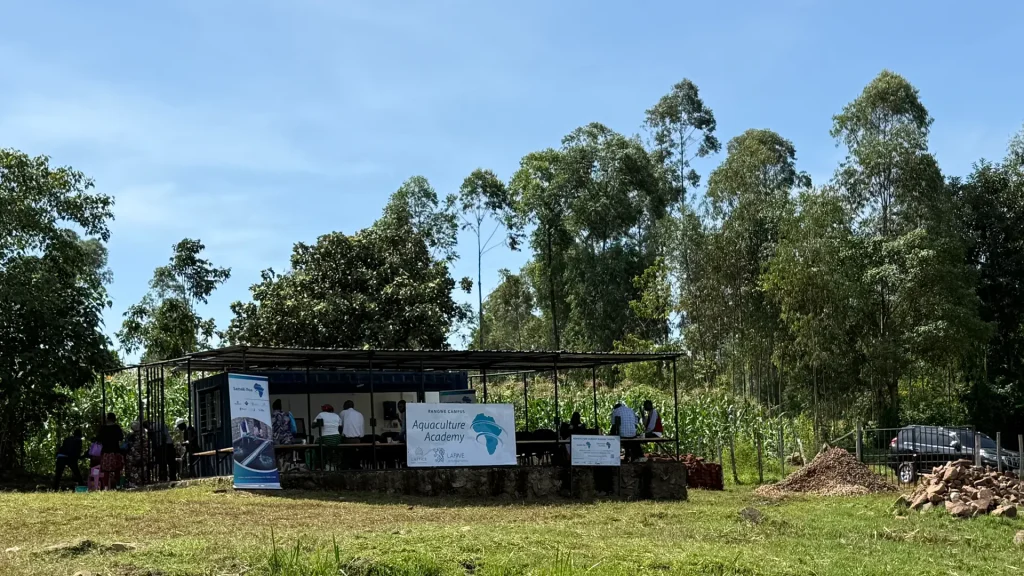
Complementing these efforts, the project invested in future talent development through the establishment of a dedicated training centre and the placement of 26 interns within private sector organisations, helping build the next generation of aquaculture professionals.
A foundation for future growth
None of these achievements would have been possible without the commitment and collaboration of project partners and supporters. The expertise and dedication of Lattice, Tunga Nutrition (Kenya) Limited, Blue Planet Academy, and Norad have been instrumental in driving meaningful and lasting change across the region.
Perhaps the most important lesson from Samaki Poa is that sustainable sector transformation requires more than technical interventions alone. It requires long term collaboration, strong market linkages, local ownership, and investment in people and institutions.
The project has demonstrated what is possible when farmers, businesses, educational institutions, governments, and development partners work towards a shared vision. As East Africa’s aquaculture sector continues to mature, many of the systems, partnerships, and capacities established through Samaki Poa will continue to support growth long after the project concludes.
As Niels reflects on the journey:
“One of my first assignments at Larive has evolved into a regional initiative that has strengthened aquaculture systems, empowered thousands of farmers, and helped create new opportunities across the sector. Seeing the impact on the ground has been incredibly rewarding.”
While Samaki Poa officially concludes in June 2026, its legacy is already taking shape through stronger businesses, better trained farmers, enhanced educational capacity, and a growing network of sector stakeholders committed to advancing aquaculture across Africa.
The next chapter is no longer about proving the sector’s potential. It is about accelerating growth, attracting investment, and building competitive aquaculture value chains that contribute to food security, employment, and economic development across the region. Reach out to our colleague Niels to join the discussion.
To mark the conclusion of the initiative and share lessons learned, partners and stakeholders will gather at the Samaki Poa Close Out Event on 5 June 2026 in Nairobi, Kenya. The event will provide a platform to reflect on achievements, exchange insights, and explore the opportunities that lie ahead for aquaculture in East Africa.