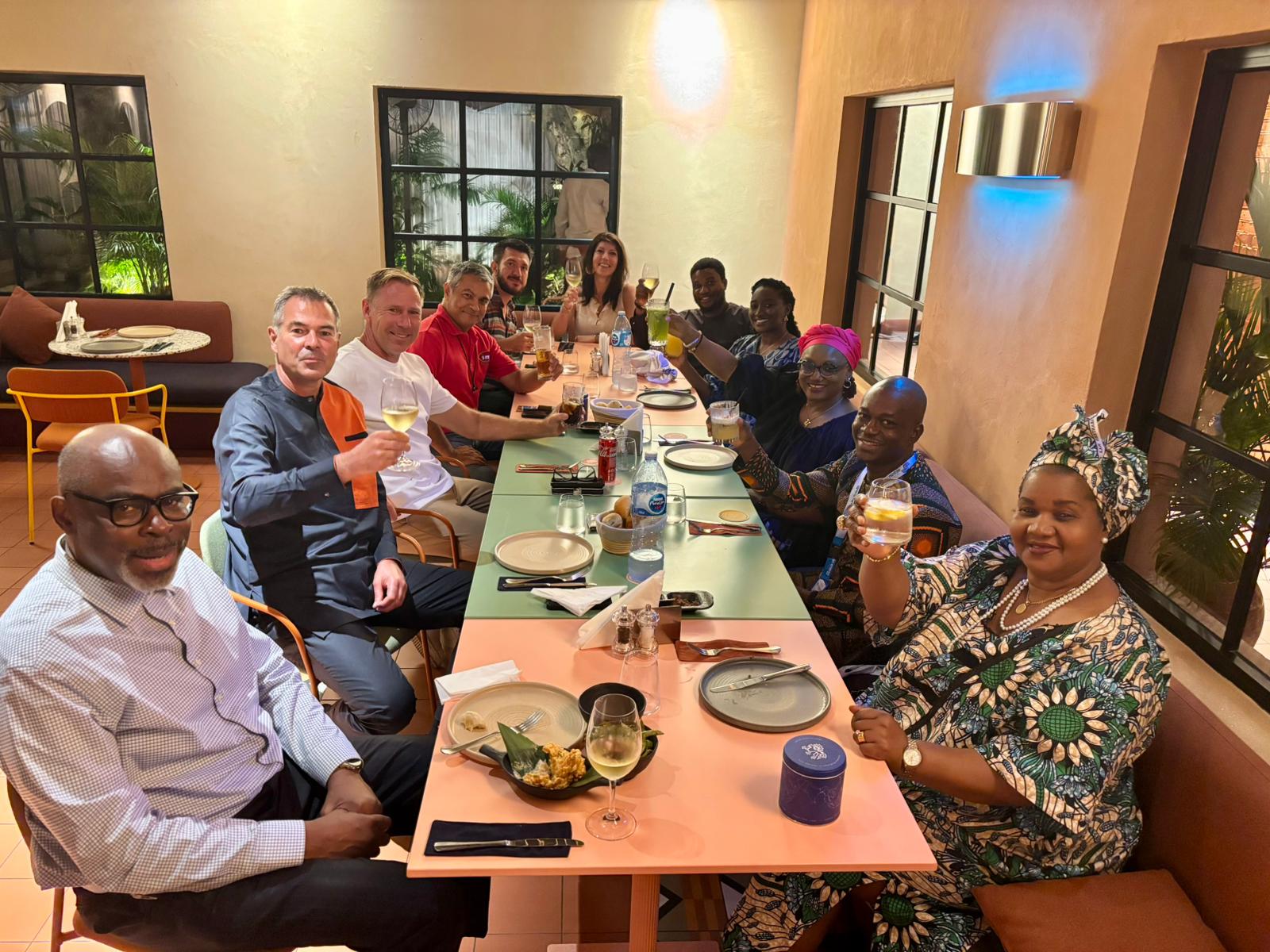
From RenewableTechNigeria’s start, the partnership knew Nigeria’s energy reality would test both their technology and way of working. What we couldn’t fully anticipate was how much the project would become a shared journey across cultures, based on local market realities and constant change.
At the heart of Nigeria’s energy challenges lies the pressing need to provide affordable electricity and reduce the country’s dependency on unreliable and environmentally harmful diesel generators. All the while, simultaneously driving economic growth. The country’s energy sector requires innovative solutions that can bridge gaps and support long-term development. To tackle this, a consortium was formed, uniting four Dutch companies and four Nigerian companies, each bringing their expertise to the table.
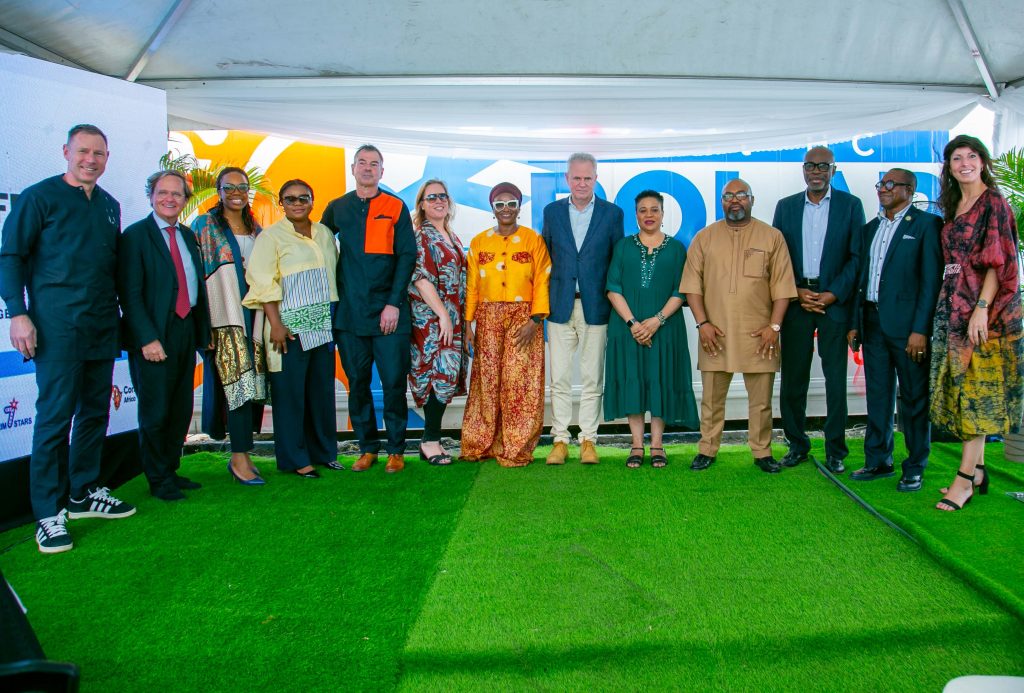
Now that the project has successfully finished, it’s time to take a step back and reflect on the achievements and lasting impact made. Looking back at the project, Claudy Luft, Larive International, captured in her reflection: “RenewableTechNigeria was not a straight line project with a fixed, predictable path.” The project had delays and challenging moments, nonetheless trust was formed.
Claudy puts it simply: “After navigating the first 18 months, we truly learned that we could rely on each other.”
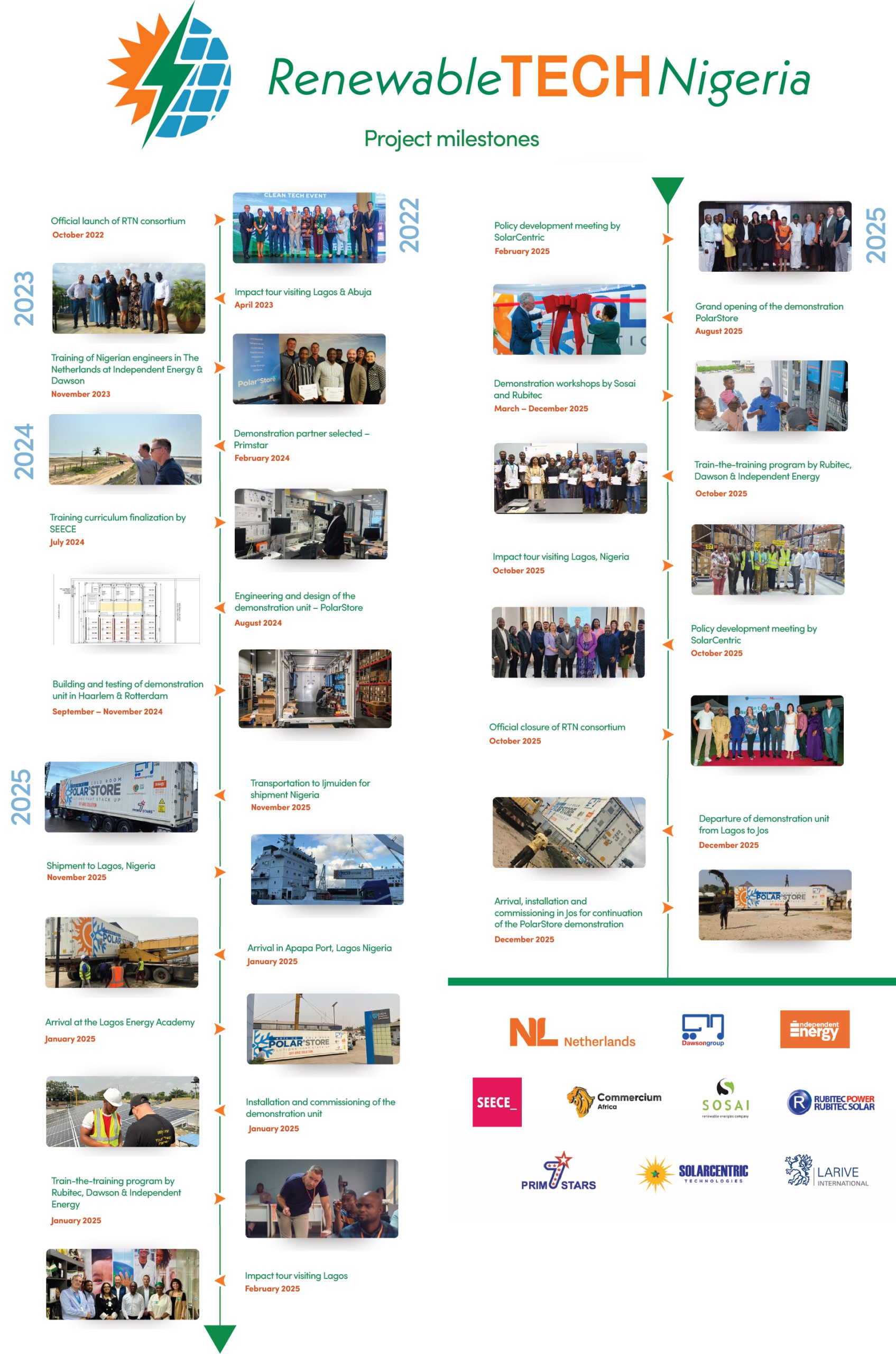
To share this journey with you, we have created a visual timeline highlighting the key moments throughout the three-year project.
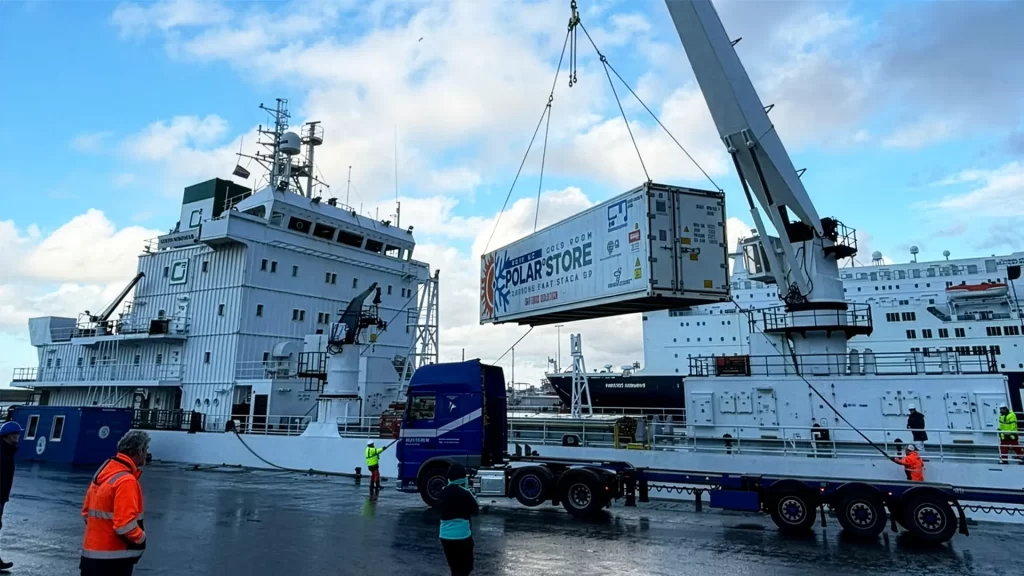
Demonstrating and testing the first PolarStore in Lagos, Nigeria
The consortium introduced its first Dutch solar-hybrid technology into Nigeria’s cold chain sector. Despite numerous challenges, the team delivered on their commitment: the PolarStore demonstration unit was successfully engineered, shipped, installed and commissioned in Lagos.
The grand opening of the PolarStore in Lagos, in August 2025, is a strong example of how we brought Dutch and Nigerian stakeholders together to see the demonstration unit and witness the viability of the technology in local Nigerian conditions. Showcasing viability in market entry for an innovative technology is highly important. Several partner reflections underline what that means for the market. As Peter van Zwol, Independent Energy stated: “Each project builds on references,” and being able to showcase a functioning product in Nigeria is a concrete step toward further promotion and market development.
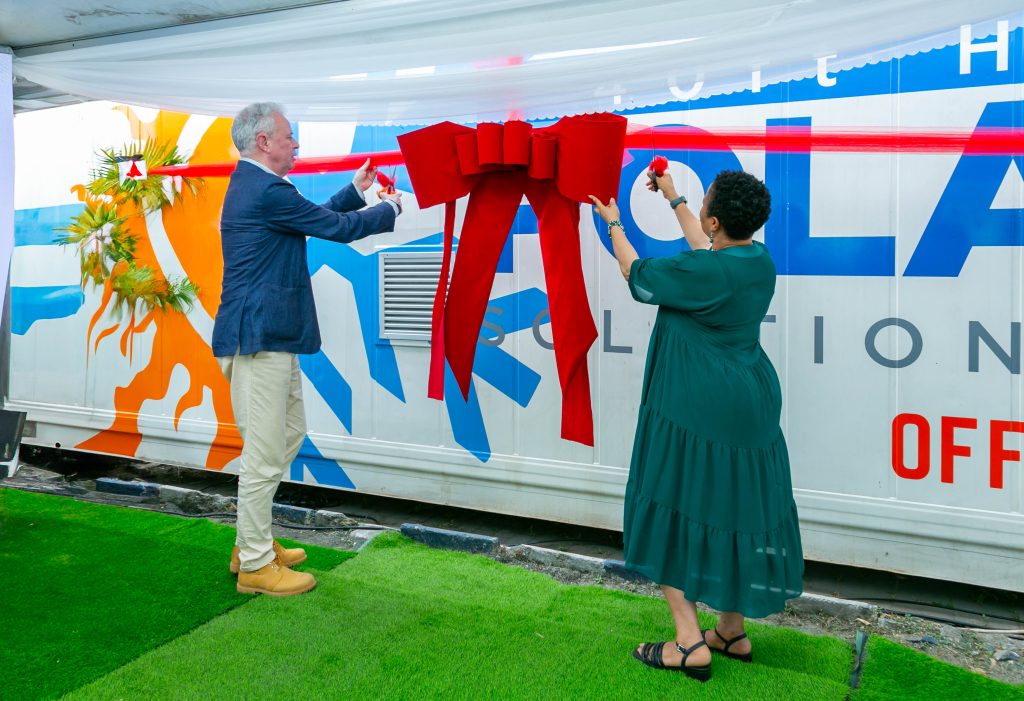
Finding the right technical partner who could engineering and test a viable demonstration was one of the most challenging tasks. But the partners rose to the occasion. Situated in southern Nigeria, Lagos receives significantly fewer sun hours than the northern regions. Despite these conditions, the PolarStore proved its operational value, demonstrating its ability to operate fully off-grid and provide clean, reliable energy to the cold storage unit. As Jan De Waard of Dawson Group, noted: “Nigeria is a challenging market, but the project confirmed our confidence in the unit and its performance, even under demanding local conditions”. Knowing that the technology works, the PolarStore will continue to serve in Nigeria as a live demo and training asset beyond the project’s completion.
Market constraints and opportunities
The project delivered a clear commercial feasibility check through several studies and structured dialogues. The outcome of the final sector assessment confirmed strong interest in renewable energy, but adoption is constrained by price sensitivity, currency volatility and limited access to affordable finance. Opportunities lie in facilitating bankable structures. Organising leasing and energy-as-a-service models likely work. This allows for Nigerian business with limited access to finance to use the technology, without having significant capital. Throughout the project these constraints and opportunities have been discussed with Dutch and Nigerian public, private and financial stakeholders.
Tunji Iromnini from SolarCentric, noted: “The RTN project helped clarify where policy, markets, and investment readiness intersect, leading to actionable insights”.
Knowledge transfer and capacity building
Just as important, we invested in people and capacity. Two training weeks built local capacity for technical sales, installation, and maintenance. This established a strong master trainer workforce of 40 trainees ranging from all regions of Nigeria. Through a cascading effect the project ensured that master trainees can spread their knowledge on solar-hybrid technology.
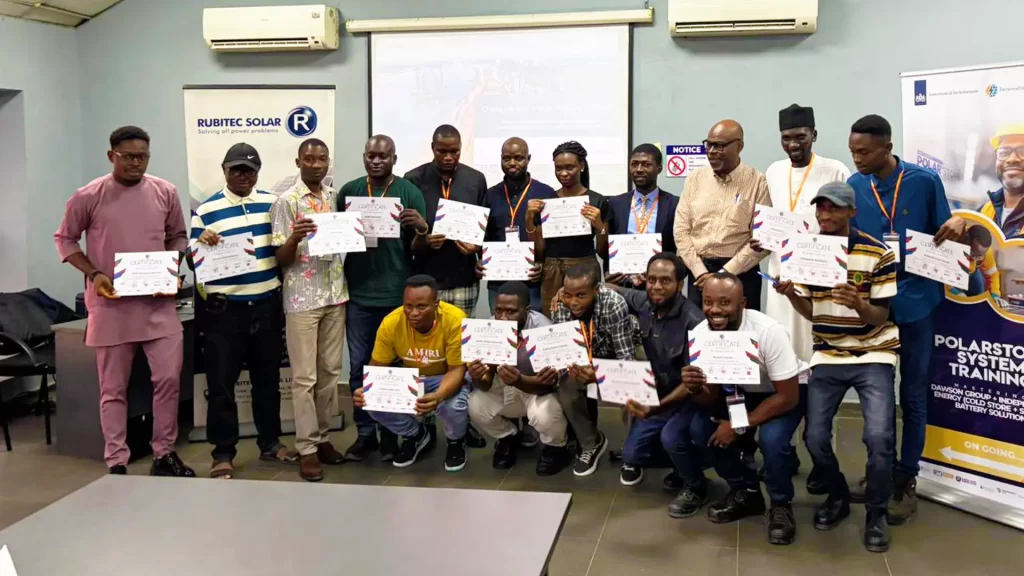
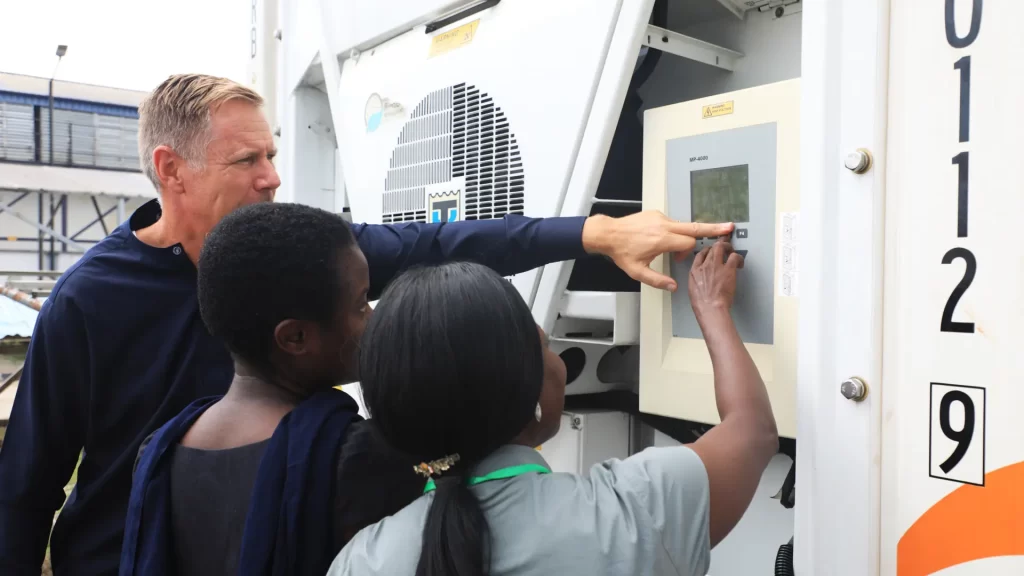
Over 13 workshops reached a wide group of 101 Nigerian stakeholders across logistics, healthcare, agriculture, and manufacturing. Habiba Ali, from Sosai, stresses the importance of a real-life demonstration unit in Nigeria: “We gained an innovative demonstration cooling container called the PolarStore, while also having the opportunity to expand our exposure to new solar customers within a 3-year period”. The workshops weren’t just abstract capacity building. It was hands-on learning with a functioning system, resulting in Nigerian professionals who can now carry this knowledge into their own work.
Strengthening Dutch-Nigerian relationships
Successful market entries can’t build on good ideas alone; they need to be adaptable to the local market needs and conditions and built on relationships.
Thessa Bagu, Commercium Africa, noted: “By combining sector expertise, local market knowledge, and strong networks, the consortium was able to support meaningful engagement and lay the groundwork for sustainable market entry and growth.”
RenewableTechNigeria has brought together stakeholders from both the Dutch and Nigerian side, identified opportunities and sparked real interest from Nigerian companies and government actors. Peter Ozah-Uweh, Rubitec, backs this effort by noting: “Working closely with the consortium partners allowed us to combine diverse expertise and translate shared ideas into tangible results on the ground”. Real impact comes from strong collaboration and alignment on goals. That is exactly what this project has strived for. Long term value of local engagement and strong sustainable systems are now in place, with the PolarStore being operational even beyond the project’s lifecycle.
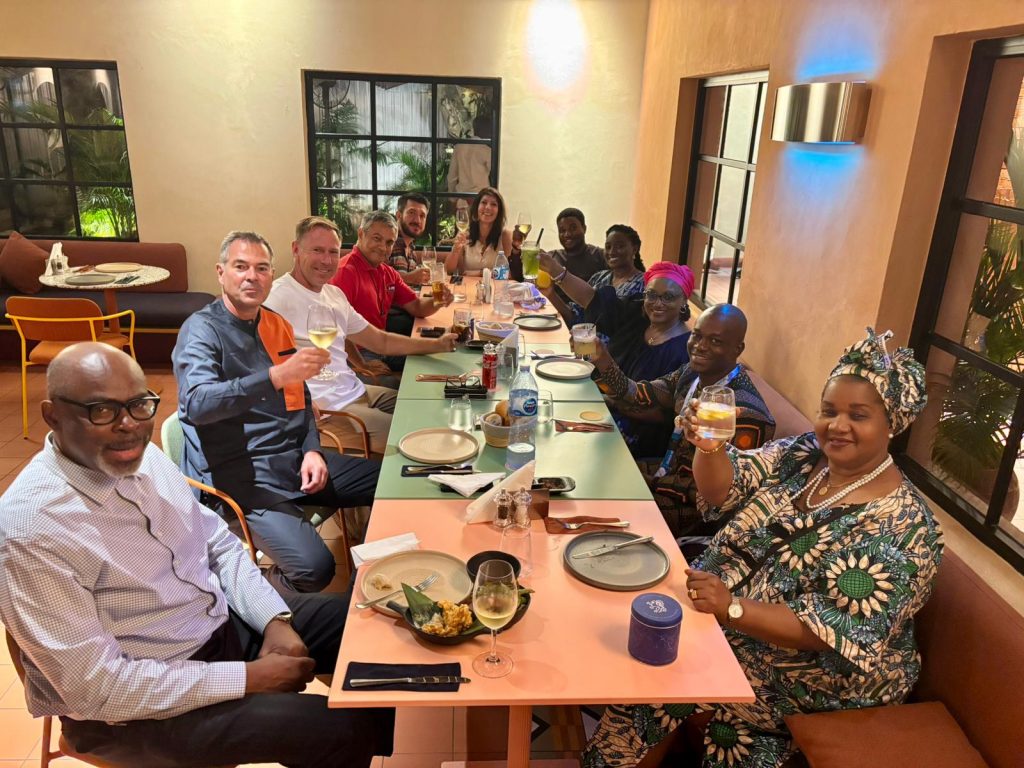
The closing of RenewableTechNigeria is not an endpoint. It’s a steppingstone for all consortium partners. They now have a functioning technology that works, a trained network and warm relationships with stakeholders who influence procurement, policy and finance. This serves as the proof-of-concept that the partnership established a lasting presence in cold chain technology application in Nigeria.